At Cleaner Seas Group, we’ve always believed that tackling ocean pollution and advancing clean technology don’t have to be separate missions. In fact, we’re showing they can be one and the same.
Today, we are proud to announce a pioneering initiative that does just that, capturing microfibres from laundry wastewater at scale, recycling them, and supporting the next generation of electric vehicle (EV) battery materials.
A Hidden Source of Pollution, Across Industries
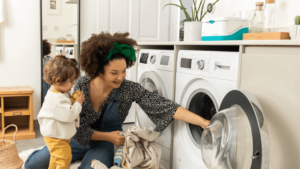
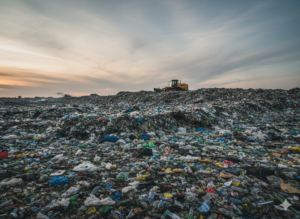
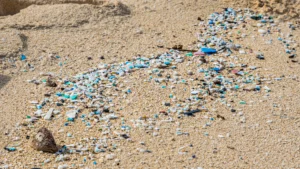
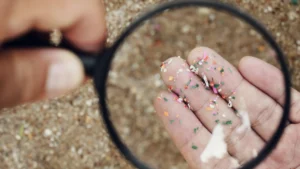
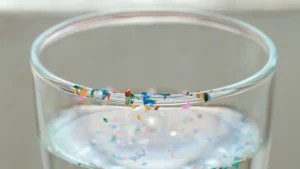
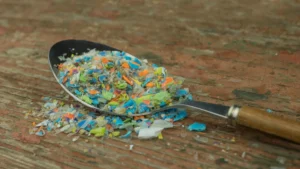
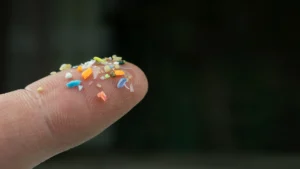
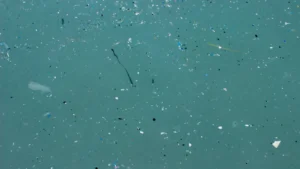
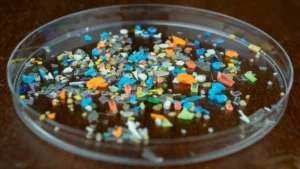
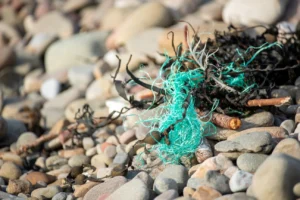
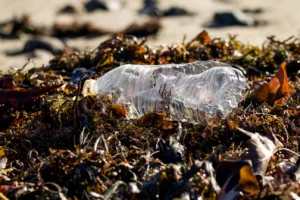
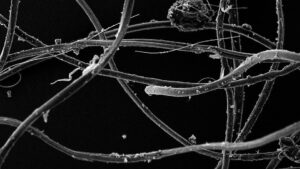
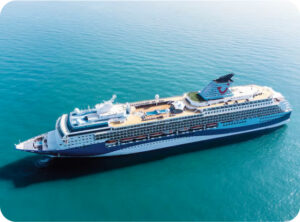
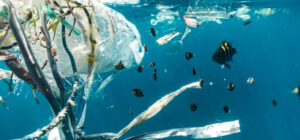
Whether it’s a cruise ship’s laundry, a hotel’s housekeeping operation, a textile manufacturer’s wash cycle or an industrial laundering facility, one thing is clear: huge volumes of synthetic and non-synthetic microfibres are being released into grey wastewater. These fibres are small, persistent, and once in the environment, they don’t simply vanish.
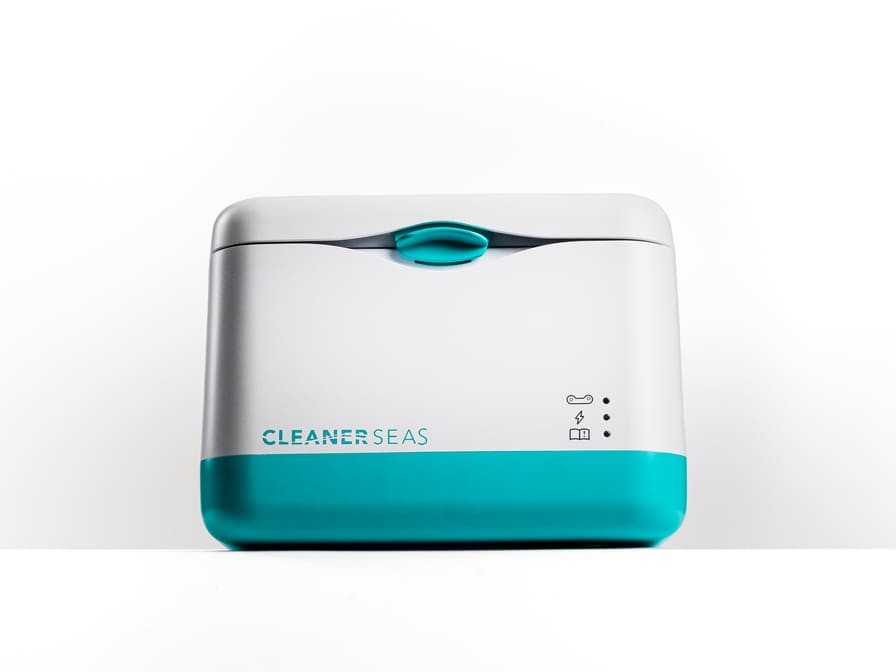
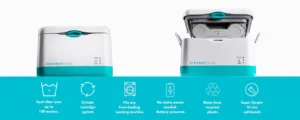
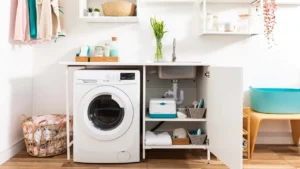
We are deploying large-scale filtration systems across various sectors so these micro pollutants can be captured at source, not just caught further downstream.
Smart Recycling, Smarter Materials
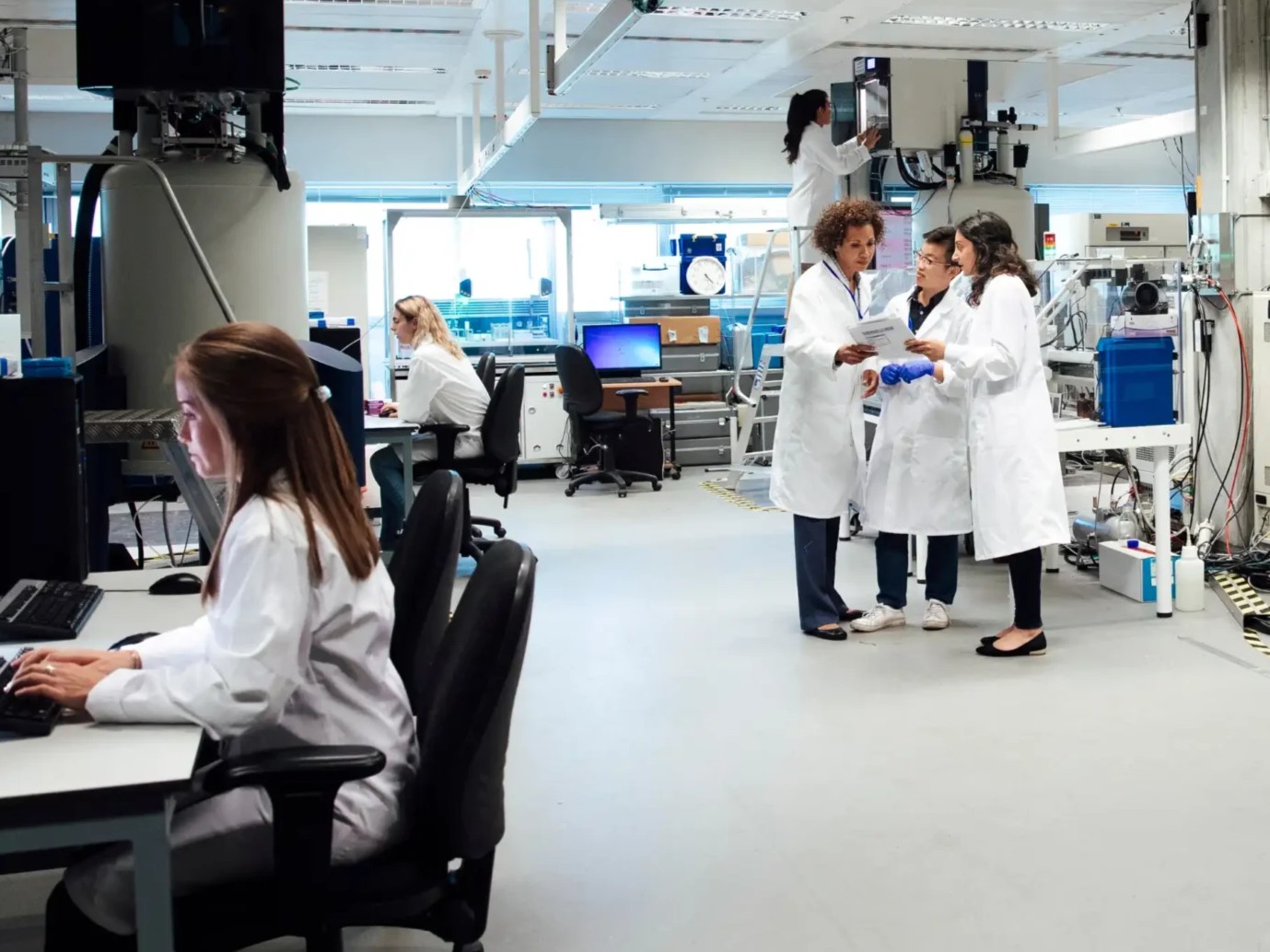
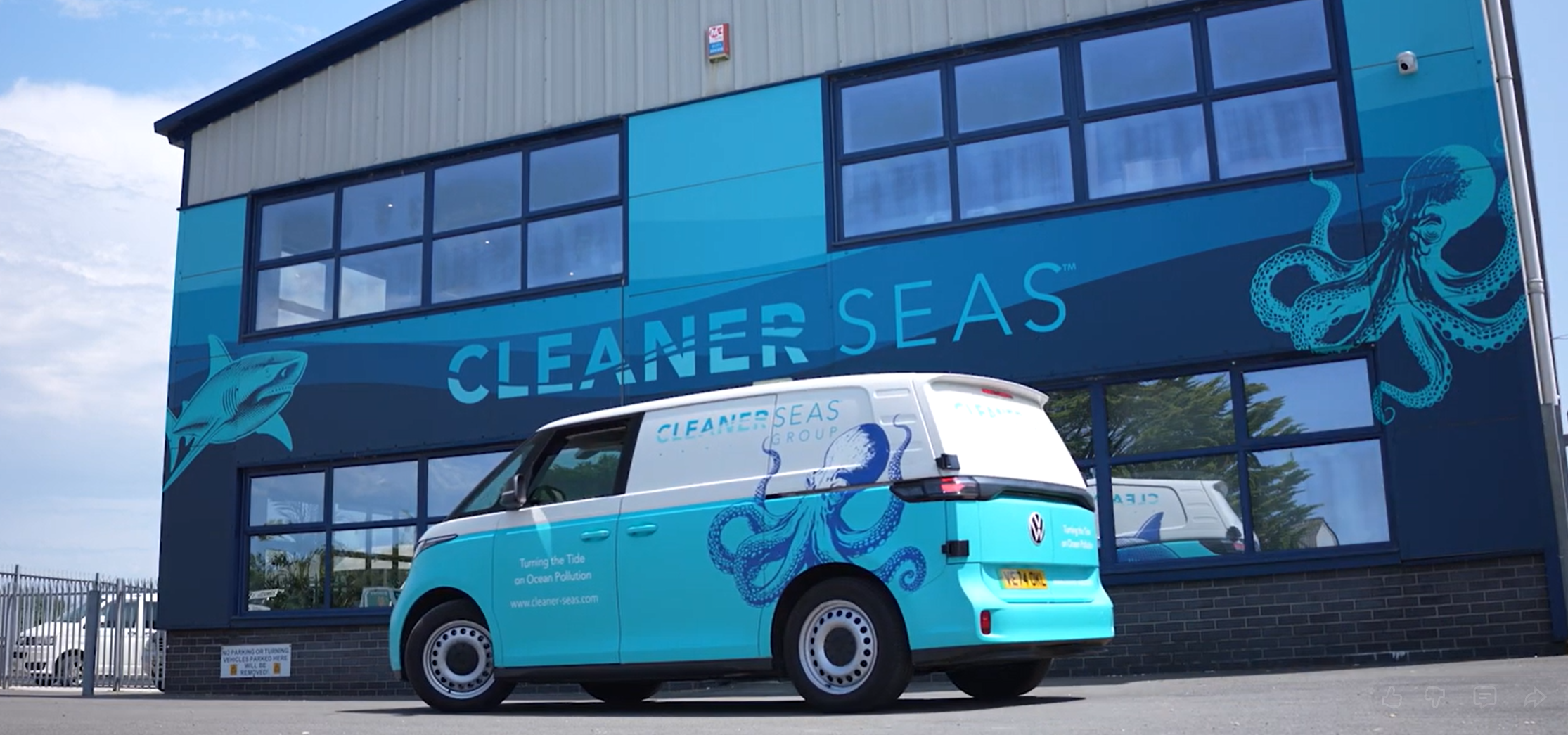
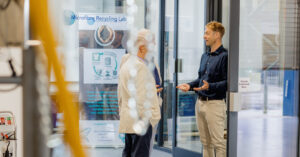
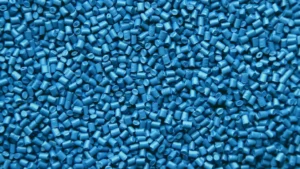
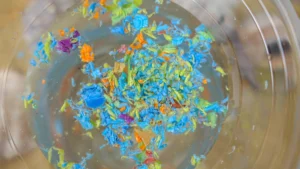
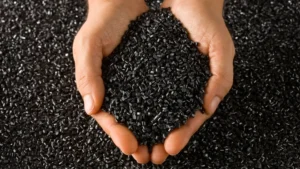
Once the microfibres are captured, the story doesn’t end with disposal. At our facility in Cornwall, these fibres are processed through our in-house recycling system rather than being consigned to landfill. In partnership with the University of Portsmouth and University of Surrey, we’re analysing the recyclate to understand how the original fibre composition influences performance in advanced battery materials.
The ambition is bold: to create the UK’s or indeed the world’s first scalable EV battery built on circular economy principles and supporting the EU’s upcoming battery passport regulation framework.
This project isn’t just about technology. It’s about place, people and purpose. With support from Cornwall Council and the CIoS Good Growth Programme, we’re delivering direct local benefits:
- Creating skilled jobs in Cornwall in advanced recycling and clean-tech manufacturing
- Broadening workforce capabilities in high-performance materials and circular-economy supply chains
- Generating tangible economic uplift in a region with a proud tradition of innovation
- he food chain, posing risks to larger predators, including humans.
By turning recycled microfibres into high-value battery components, we’re transforming what was once waste into a key input for the low-carbon transition.s to inflammation, immune responses, and potential hormonal disruption.
Clear Outcomes. Clear Impact.
This isn’t pie-in-the-sky; our project is designed to deliver four concrete outcomes:
- Deploy large-scale microfibre filtration systems across high-laundry industries
- Produce one of the UK’s first datasets analysing industrial microfibre pollution at scale (thanks to our work with the University of Portsmouth)
- Create advanced EV battery materials derived from recycled microfibre pollution — aligning with EU battery passport requirements
- Drive job creation and economic growth in Cornwall via sustainable waste recycling
For more information on textile microfibres and what you can do to help, visit Cleaner Seas’ dedicated microfibres page.
Why It Matters
With global demand for batteries surging, the supply of virgin materials is under pressure—and the environmental and social cost of extraction is rising. By capturing microfibres (a hidden pollution source) and redirecting them into advanced manufacturing, we’re:
- Reducing the burden on virgin raw materials
- Giving captured pollution a second, high-value life
- Creating a truly circular loop that links laundry rooms to battery factories
By focusing on grey wastewater filtration across multiple industries, we’re tackling pollution at its source, rather than just cleaning it up later.
Join the Movement
If your organisation operates large laundry systems—whether in hospitality, marine, textile, or industrial sectors – we would love to partner with you. Capture. Recycle. Reuse. That’s the path forward.
Visit ciosgoodgrowth.com to learn more about the project’s funding and scope.
At Cleaner Seas Group, we’re not waiting for someone else to solve the problem. We’re doing it. Together.