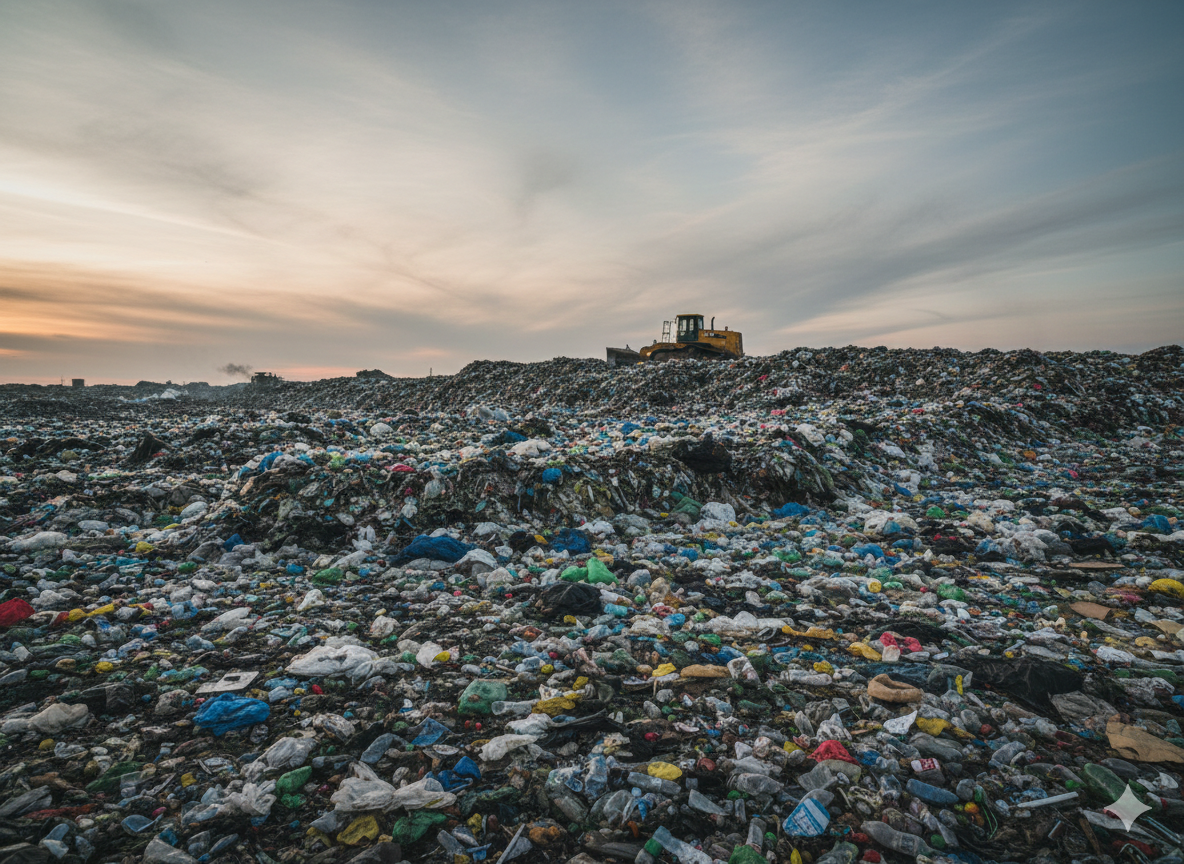
For years now, plastics have been filling up our landfills. 2026 marks the start of a shift in how our governments treat plastic waste. The rules on waste disposal are becoming tighter; responsibility will be on producers, and the export of waste will be limited, shifting the focus and systems towards prevention and circularity.¹
Here’s why this matters, and why 2026 could signal a tipping point.
A new era of producer responsibility
The UK has introduced the Extended Producer Responsibility (EPR), a policy that shifts the physical and financial responsibility from taxpayers and local authorities to producers.² In 2026, it moves into the second phase. Disposal fees will be linked to the recyclability of the waste. Materials that are difficult to recycle will cost more to handle, while better-designed products that are easily recyclable, encourage reuse and generate minimal waste will be cheaper.³ This will financially reinforce better design choices and discourage the use of materials destined for landfill.
This isn’t just an accounting change. It is a change to the basic economics of waste: companies that generate waste will now pay costs that reflect the real burden of recycling and disposal, rather than having taxpayers and local authorities bear them.⁴
Restricting waste exports tightens accountability
Regulatory changes outside the UK add further pressure on reliance on landfill. Under the new EU Waste Shipment Regulation, exports of plastic waste to other countries will be banned from November 2026, with prior notification requirements for all exports from May 2026.⁵
While the UK does not currently have a ban on plastic waste exports, environmental groups are calling for one, citing the volume of UK plastic waste shipped overseas and urging the expansion of a Circular Economy. Cleaner Seas Group are one of those organisations.⁶
This tightening of export routes reduces a long-standing escape for residual plastic waste. It forces more material to be dealt with responsibly at design, sourcing, or within regulated systems, rather than being buried or shipped abroad.
What does this mean for landfill
Taken together, modulated producer fees, better recycling systems, and tighter export controls in the regulatory landscape starting in 2026 begin to make landfill unattractive and increasingly costly.
Landfill won’t disappear on 1st January 2026, but its viability as a default option will no longer be an option. It will be the outcome of a last resort, not a first choice, and will come with higher financial costs and a detrimental effect on reputations.⁷
That’s a turning point.
Cleaner Seas: a genuinely circular future
Most waste-capture solutions stop at capture; they collect the microplastics and fibres, then leave the captured waste to be incinerated or sent to landfill. In other words, the captured pollution still becomes a disposal problem.
Cleaner Seas takes a fundamentally different approach.
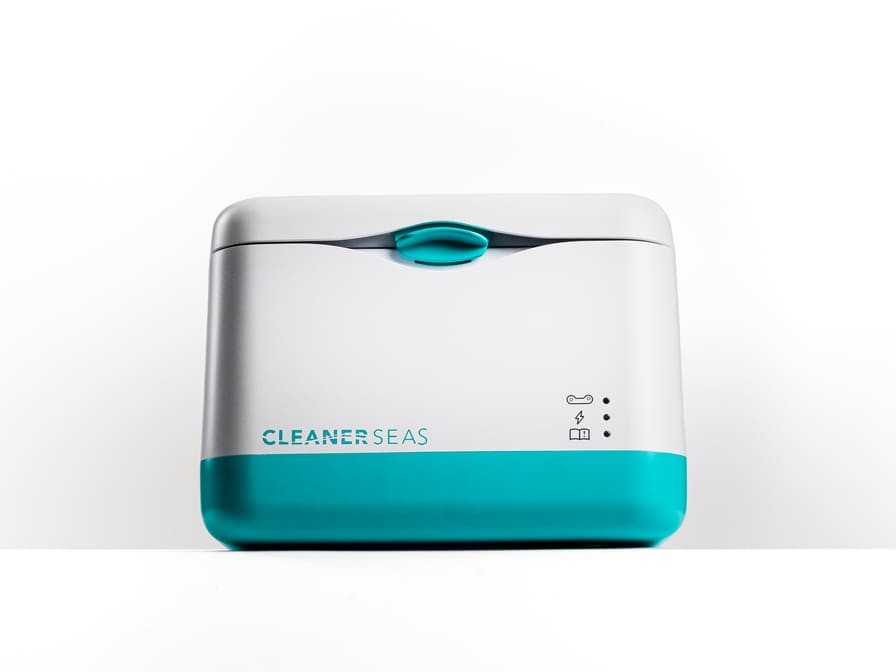
We don’t just capture microfibres. We ensure they are recycled, not buried. Cleaner Seas Group are currently the only solution able to close the loop on captured microplastic waste, turning a problematic by-product into a recoverable material with future value.
That means:
No landfill as an end destination
No exporting problems overseas
A system that aligns with where regulation is inevitably heading
As policy makes landfill increasingly expensive and restricted, solutions that can prove what happens after capture will thrive. Cleaner Seas Group was designed for an accountable, circular economy.
Key dates shaping the shift
2025–2026
Packaging producers begin reporting data and paying base EPR fees.²
2026
Modulated EPR fees based on recyclability kick in, rewarding better design.³
21 May 2026
Notification controls for plastic waste exports take effect in the EU.⁵
21 November 2026
Plastic waste exports to other countries are banned under EU rules.⁵
Looking ahead
2026 won’t mark the end of plastic landfills, but it will be the year when landfills become less viable and more scrutinised as disposal routes. Regulatory momentum is pushing towards systems that prioritise reduction, capture, accountability, and true recovery.
Cleaner Seas doesn’t just adapt to that world; it reflects it. By capturing microplastics and closing the loop on their afterlife, we’re helping industries and communities transition into a future where waste isn’t just moved around, but genuinely managed.
References
- UK Government, Resources and Waste Strategy for England
https://www.gov.uk/government/publications/resources-and-waste-strategy-for-england
- UK Government, Extended Producer Responsibility for Packaging
https://www.gov.uk/government/publications/extended-producer-responsibility-for-packaging
- UK Government, Extended Producer Responsibility Modulated Disposal Fees
https://www.gov.uk/government/publications/extended-producer-responsibility-for-packaging-modulated-disposal-fees
- Department for Environment, Food and Rural Affairs, EPR Policy Framework
https://www.gov.uk/government/publications/extended-producer-responsibility-for-packaging-policy-framework
- European Commission, Waste Shipment Regulation
https://environment.ec.europa.eu/topics/waste-and-recycling/waste-shipments_en
- Environmental Investigation Agency, Plastic Waste Exports
https://eia-international.org/work/plastic-pollution
- UK Government, Landfill Tax Reform Consultation
https://www.gov.uk/government/consultations/landfill-tax-reform