News and Press
Cleaner Seas joins Aurora Expeditions research voyage aboard Douglas Mawson
Cleaner Seas Group is heading to sea as part of an important research trip with...
4 min read

Sustainability is now firmly on the agenda across hospitality. From reducing single-use plastics to improving energy efficiency, the sustainable tourism industry has made visible progress. But there is one place where sustainability conversations rarely go, the laundry room.
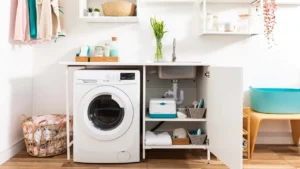
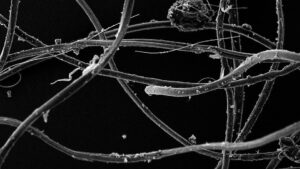
Most hotels either operate on-site laundry facilities or rely on large commercial laundries. In either case, washing machines run constantly, and every wash releases tiny fibres from textiles. These microfibres are too small for standard filtration systems to capture, allowing them to enter wastewater and eventually reach our rivers and oceans.
Research has found that a single kilogram of washed synthetic fabric releases between 124–308 mg of microfibres – and a 100-bedroom hotel processes 750 pieces of linen every day (Textile Services Association, UK). Multiply that across nearly 10,000 UK hotel businesses at even moderate occupancy, and the scale of the problem becomes impossible to ignore. Globally, 500,000 tonnes of microfibres enter the ocean annually through washing (Boucher & Friot, 2017), with textile fibres accounting for approximately 70% of all microplastics found in wastewater (PMC, 2020). Critically, even modern wastewater treatment plants, operating at over 70% efficiency, still allow large volumes to pass through into rivers and seas.
The hospitality sector is becoming increasingly accountable for its environmental footprint, and travellers are more often seeking sustainable tourism options when choosing where to stay. While many hotels track carbon emissions, energy use and food waste, microfibre pollution remains a largely overlooked area in most sustainability strategies.
Addressing microfibre pollution aligns with global sustainability frameworks and tourism standards, including:
As hotels aim for net-positive operations, practical solutions are making a real difference. But capturing microfibres is only half the answer. Simply collecting them and sending them to landfill doesn’t solve the problem, it just moves the pollution from one part of the environment to another. True sustainability demands a genuinely circular approach: microfibres must be captured and recycled, not discarded.
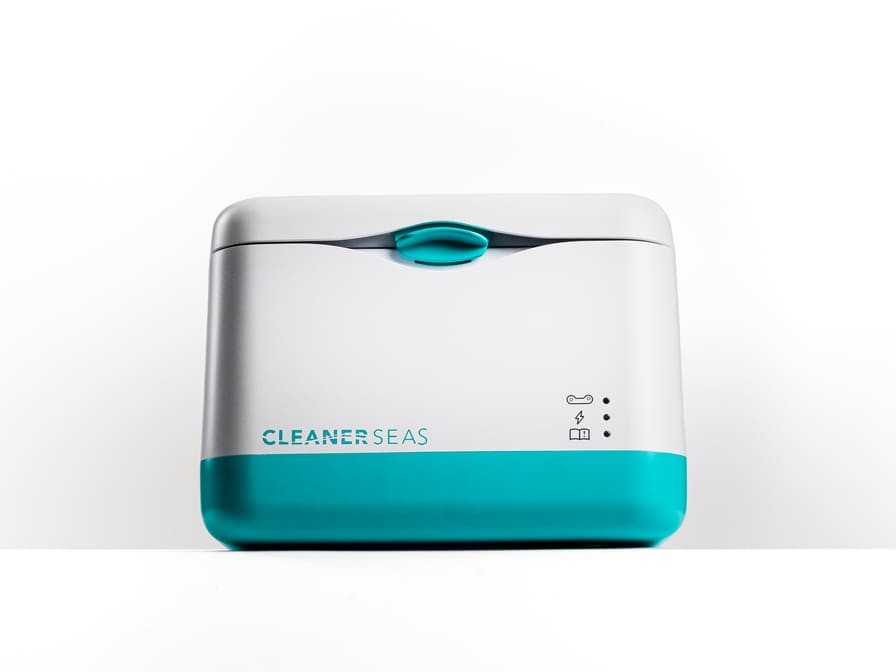
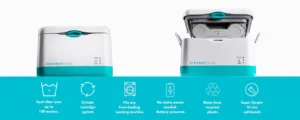
This is precisely where Cleaner Seas Group goes further than conventional filtration. Their systems capture up to 99% of microfibres released during each wash cycle, and critically – the collected material is then recycled rather than sent to landfill. For hotels and resorts committed to sustainable tourism, this is a simple, effective, and truly circular solution with measurable impact.
https://www.cleaner-seas.com/solutions/microplastic-filters/
One hospitality business already taking this step towards sustainable tourism is Whalesborough Resort, a luxury eco-resort located on the North Cornwall coast. Known for its nature-led accommodation and renewable energy use, the resort partnered with Cleaner Seas Group to install microfibre filters in its laundry systems.
“The Whalesborough Resort is determined to lead the way in more sustainable tourism. Alongside our solutions to carbon emissions, renewable energy sources and supporting local suppliers, we are thrilled to be working with Cleaner Seas Group to minimise our microplastic footprint. The team is truly committed to their mission and has provided filtration solutions that are easy to install and maintain.” Ben Nolan-Stone, Founder and Managing Partner.
Cleaner Seas Group works upstream and downstream to capture and recycle microplastics, giving hotels and resorts a way to preserve the beaches, rivers, and oceans travellers love. Together driving measurable progress toward a more sustainable future for tourism.
Primary Reference on Microplastics from Textiles
Supporting Context on Microfibre Pollution
Scientific research shows synthetic fibres from textiles are widely detected as contaminants in marine environments, confirming textile laundering as a significant source of microplastic pollution.
European Environment Agency. Microplastics from textiles: towards a circular economy for textiles in Europe — discusses how textile microplastics are released through washing and end up in aquatic environments.
Department of Economic and Social Affairs (UN). Tackling Microfibres at Source — highlights global recognition of microfibre pollution and its contribution to ocean plastics.
Cleaner Seas Group is heading to sea as part of an important research trip with...

We’re Proud to be Headline Sponsors of the GB Row Challenge We’re thrilled to announce...
Cornwall, UK, June 2026: Cleaner Seas Group is proud to announce that it has officially...
When Ocean Promises Don’t Match Ocean Protection When companies talk about protecting the ocean, the...
Microfibre pollution from large-scale laundry operations goes under the microscope Microfibre pollution from large-scale laundry...
When people think of microplastic pollution, they usually imagine tiny, colourful fragments in confetti form...

When people hear the phrase microplastic soup, they often envision floating islands of bottles and...
Cleaner Seas Group® appeared on BBC One’s The One Show, helping bring one of the...
For years now, plastics have been filling up our landfills. 2026 marks the start of...

After years of planning, problem-solving and a fair bit of Cornish grit, we’ve finally done...

At Cleaner Seas Group, we’ve always believed that tackling ocean pollution and advancing clean technology...

Microplastics have become one of the most significant environmental challenges of our time. These tiny...
Microfibres are one of the most common yet overlooked contributors to environmental pollution. These tiny...
Microplastic pollution is one of the most pressing environmental challenges of our time. The Women’s...
The problem of microfibres and microplastics in our waterways has long been linked to domestic...
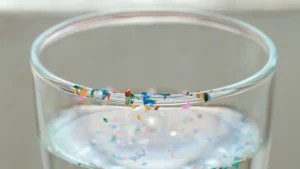
Microfibre pollution is a growing environmental issue, with billions of microscopic plastic fibres entering our...
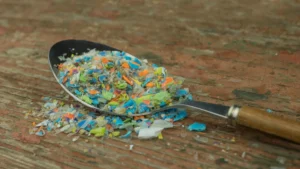
Microplastics, particularly microfibres shed from textiles during washing, have emerged as a significant environmental concern....
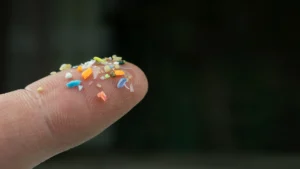
Microplastics are an invisible menace infiltrating our oceans, ecosystems, and even our food chains. Among...
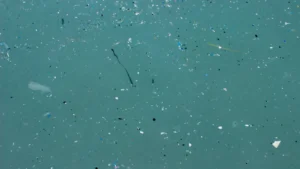
Microplastics have become an insidious pollutant in our oceans, threatening marine life and the health...
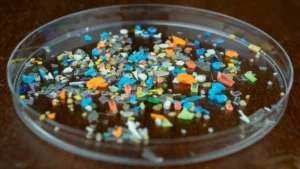
Washing your clothes might seem like a simple everyday task, but did you know it...
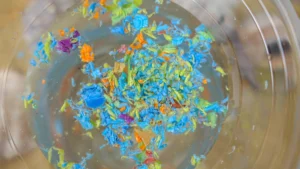
Microfibres, those minuscule fibres shed from synthetic textiles during washing, are an invisible but pervasive...
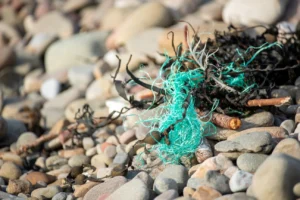
Plastic pollution is in our water systems, the air we breath, in our soil, in...
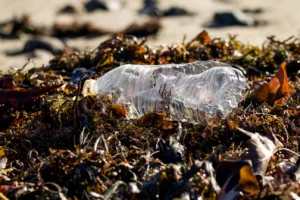
Cleaner Seas Group was set up in Cornwall in Autumn 2018 with a mission to...
What are microfibres? Microfibres are a type of microplastic; tiny plastic fibres 5mm or less (Less than the...

The Cleaner Seas Team always dream big in our quest to protect our Ocean and...
You probably know by now, that your washing machine releases up to 700,000 Microplastic fibres...
We work to give back to the Sea every day, 100%, but none of us...
Innovative technology to remove microplastics from the environment Cleaner Seas Group was set up in...
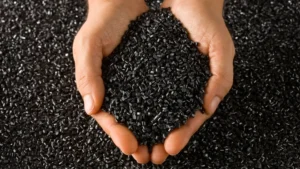
The Cleaner Seas Group is developing a world-first Microfibre Recycling Centre in Bude, Cornwall. This...
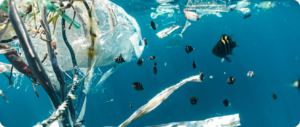
Since 2017 Cleaner Seas have worked at grassroots level in raising awareness about microplastics in...
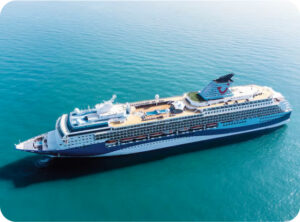
Monty Halls is a broadcaster, speaker, naturalist, former Royal Marine, marine biologist, travel writer and...
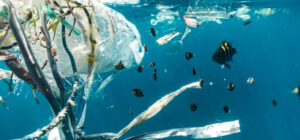
The 30th November 2021 saw another big step forward in the fight against microplastic pollution....
Since 2017 Cleaner Seas have worked at grassroots level in raising awareness about microplastics in...

Monty Halls is a broadcaster, speaker, naturalist, former Royal Marine, marine biologist, travel writer and...
Get monthly ocean news, offers, events and updates on our mission.
By clicking subscribe, you agree to our Terms and Conditions.