News and Press
Cleaner Seas joins Aurora Expeditions research voyage aboard Douglas Mawson
Cleaner Seas Group is heading to sea as part of an important research trip with...
4 min read
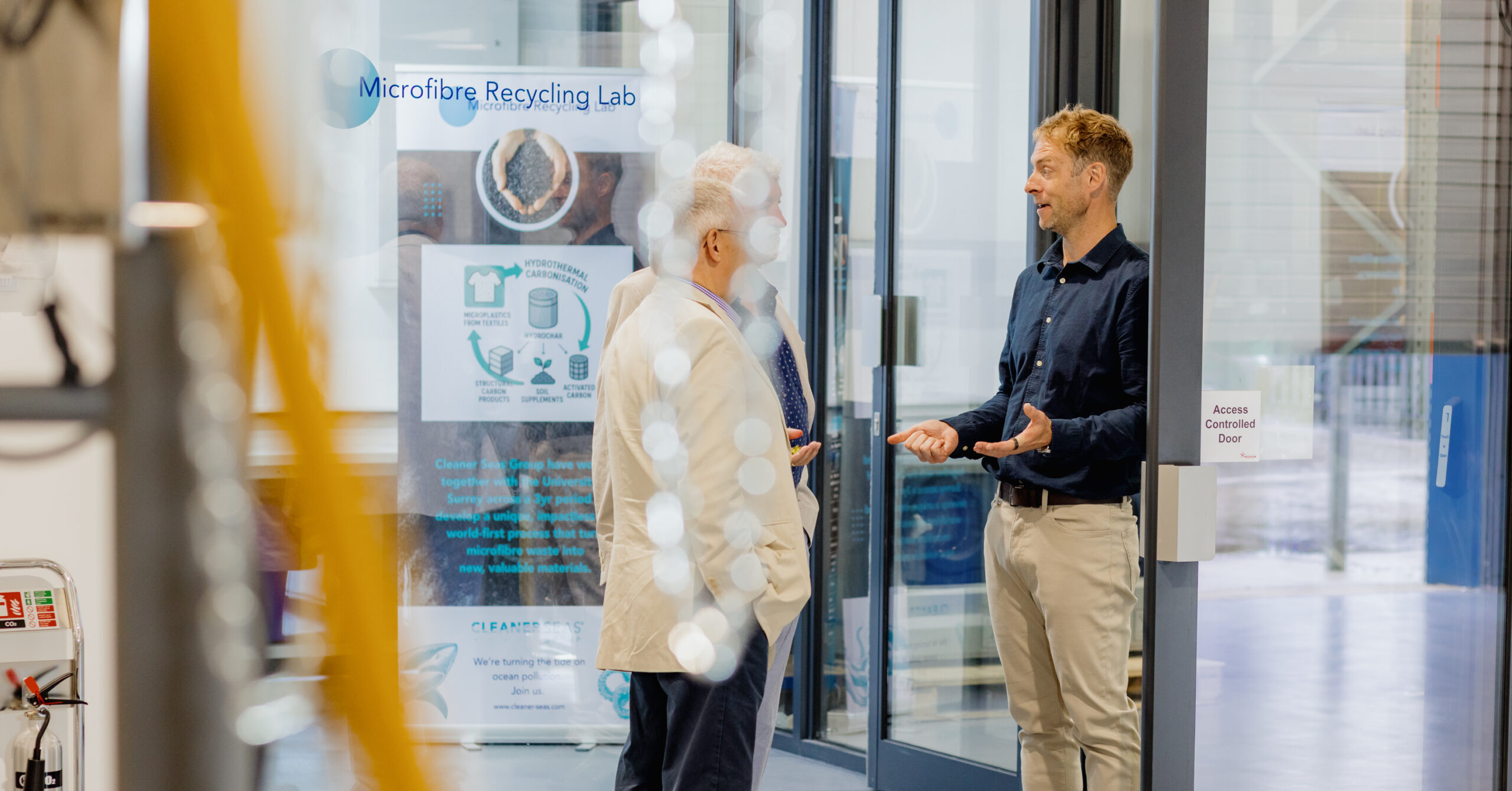
After years of planning, problem-solving and a fair bit of Cornish grit, we’ve finally done it. On 12 June 2025, we opened the doors to our new Cleaner Seas Group® Headquarters and with it, the world’s first Microfibre recycling facility.
It’s been a long journey to get here, but this milestone feels like a turning point not just for us, but for everyone who cares about protecting the ocean.
If you’ve ever washed a fleece, yoga leggings or a favourite bedsheets, you’ve probably released thousands of microscopic fibres into the water without even realising it. These fibres don’t just disappear — they make their way through drains, into rivers, and eventually the sea.
Laundry wastewater is now known to be the largest single source of primary microplastic pollution in our oceans. It’s one of those hidden problems that’s easy to ignore, right up until you can’t.
We’ve always believed there’s a better way. So, we decided to build one.
Our new facility brings everything together under one roof:
The current facility recycles up to 86 tonnes of microfibres each year, stopping them from ever reaching the ocean.
Simple idea. Big impact. A circular economy in action.
We never considered being anywhere else. Cornwall is part of who we are, it’s where the idea for Cleaner Seas was born, and it’s where we’re proud to keep investing.
Thanks to funding from the Cornwall and Isles of Scilly Good Growth Programme, supported by the UK Shared Prosperity Fund, we’ve been able to turn a big idea into something real.
It’s more than just an environmental win. The new HQ also creates skilled green jobs and keeps innovation rooted in our local community, proof that global change can start in Cornwall.
We’re only just getting started. This new facility gives us the space and tools to keep pushing forward, testing new materials, building more partnerships and developing bigger industrial systems for global use.
Whether you’re running a hotel, managing a laundry service or just trying to make your home more sustainable, you can be part of this.
By filtering, returning and recycling, we can all play a role in keeping microplastic out of the sea.
Cleaner Seas Group is heading to sea as part of an important research trip with...
We’re Proud to be Headline Sponsors of the GB Row Challenge We’re thrilled to announce...
Cornwall, UK, June 2026: Cleaner Seas Group is proud to announce that it has officially...
When Ocean Promises Don’t Match Ocean Protection When companies talk about protecting the ocean, the...

Sustainability is now firmly on the agenda across hospitality. From reducing single-use plastics to improving...
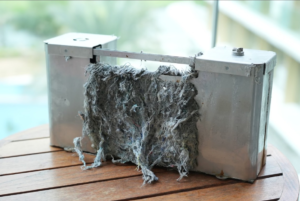
Microfibre pollution from large-scale laundry operations goes under the microscope Microfibre pollution from large-scale laundry...
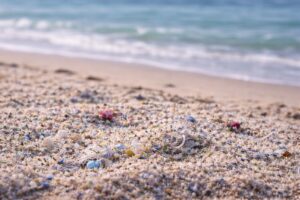
When people think of microplastic pollution, they usually imagine tiny, colourful fragments in confetti form...

When people hear the phrase microplastic soup, they often envision floating islands of bottles and...
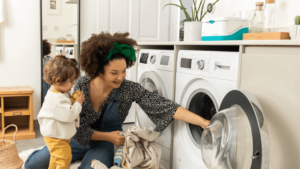
Cleaner Seas Group® appeared on BBC One’s The One Show, helping bring one of the...
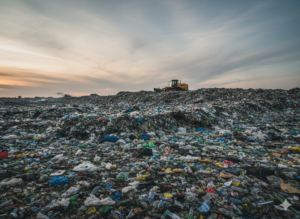
For years now, plastics have been filling up our landfills. 2026 marks the start of...

At Cleaner Seas Group, we’ve always believed that tackling ocean pollution and advancing clean technology...

Microplastics have become one of the most significant environmental challenges of our time. These tiny...
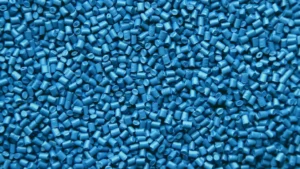
Microfibres are one of the most common yet overlooked contributors to environmental pollution. These tiny...
Microplastic pollution is one of the most pressing environmental challenges of our time. The Women’s...
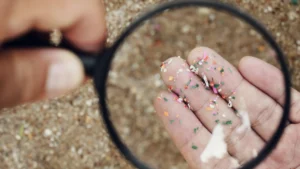
The problem of microfibres and microplastics in our waterways has long been linked to domestic...
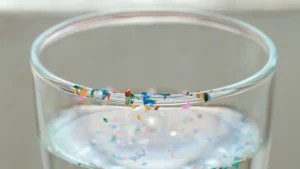
Microfibre pollution is a growing environmental issue, with billions of microscopic plastic fibres entering our...
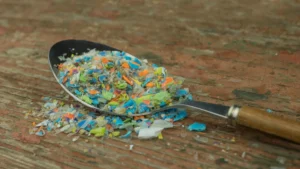
Microplastics, particularly microfibres shed from textiles during washing, have emerged as a significant environmental concern....
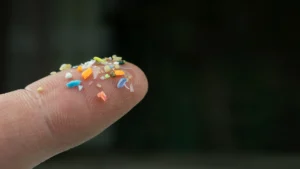
Microplastics are an invisible menace infiltrating our oceans, ecosystems, and even our food chains. Among...
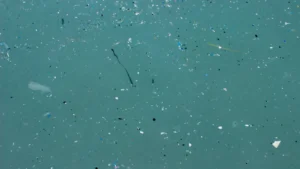
Microplastics have become an insidious pollutant in our oceans, threatening marine life and the health...
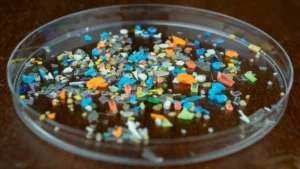
Washing your clothes might seem like a simple everyday task, but did you know it...
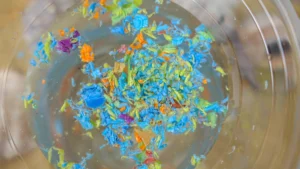
Microfibres, those minuscule fibres shed from synthetic textiles during washing, are an invisible but pervasive...
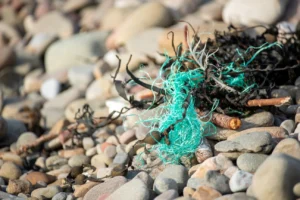
Plastic pollution is in our water systems, the air we breath, in our soil, in...
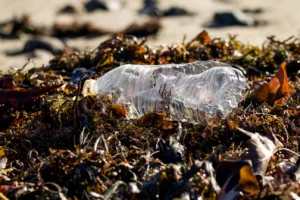
Cleaner Seas Group was set up in Cornwall in Autumn 2018 with a mission to...
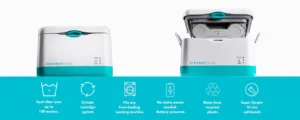
What are microfibres? Microfibres are a type of microplastic; tiny plastic fibres 5mm or less (Less than the...

The Cleaner Seas Team always dream big in our quest to protect our Ocean and...
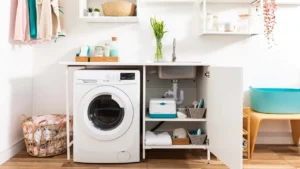
You probably know by now, that your washing machine releases up to 700,000 Microplastic fibres...
We work to give back to the Sea every day, 100%, but none of us...
Innovative technology to remove microplastics from the environment Cleaner Seas Group was set up in...
The Cleaner Seas Group is developing a world-first Microfibre Recycling Centre in Bude, Cornwall. This...
Since 2017 Cleaner Seas have worked at grassroots level in raising awareness about microplastics in...
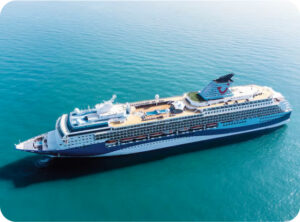
Monty Halls is a broadcaster, speaker, naturalist, former Royal Marine, marine biologist, travel writer and...
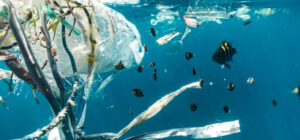
The 30th November 2021 saw another big step forward in the fight against microplastic pollution....
Since 2017 Cleaner Seas have worked at grassroots level in raising awareness about microplastics in...

Monty Halls is a broadcaster, speaker, naturalist, former Royal Marine, marine biologist, travel writer and...
Get monthly ocean news, offers, events and updates on our mission.
By clicking subscribe, you agree to our Terms and Conditions.