What Is Bluewashing?

Published on Wednesday June 3, 2026

When Ocean Promises Donโ€™t Match Ocean Protection

When companies talk about protecting the ocean, the message is often powerful.

Images of coral reefs, marine wildlife and pristine coastlines appear alongside promises to reduce plastic pollution and safeguard marine ecosystems. These campaigns can inspire action and raise awareness of the challenges facing our seas.

But sometimes the narrative around ocean protection becomes stronger than the actions behind it. In recent years, a term has emerged to describe this gap between messaging and meaningful environmental impact: bluewashing.

What Does Bluewashing Mean?

Bluewashing refers to situations where organisations promote themselves as champions of ocean protection while continuing practices that contribute to pollution in oceans, rivers, seas and waterways.

It often occurs when organisations:

  • Highlight small ocean-related initiatives while ignoring larger environmental impacts
  • Use marine conservation partnerships primarily for brand reputation
  • ย Promote products as โ€œocean-friendlyโ€ without truly understanding the evidence that shows their role in marine pollutionย 
  • Align with global ocean protection goals while failing to change core business practices

In simple terms, bluewashing happens when the story about protecting the ocean becomes louder than the actions that actually protect it.

Why Oceans Are Central to the Conversation

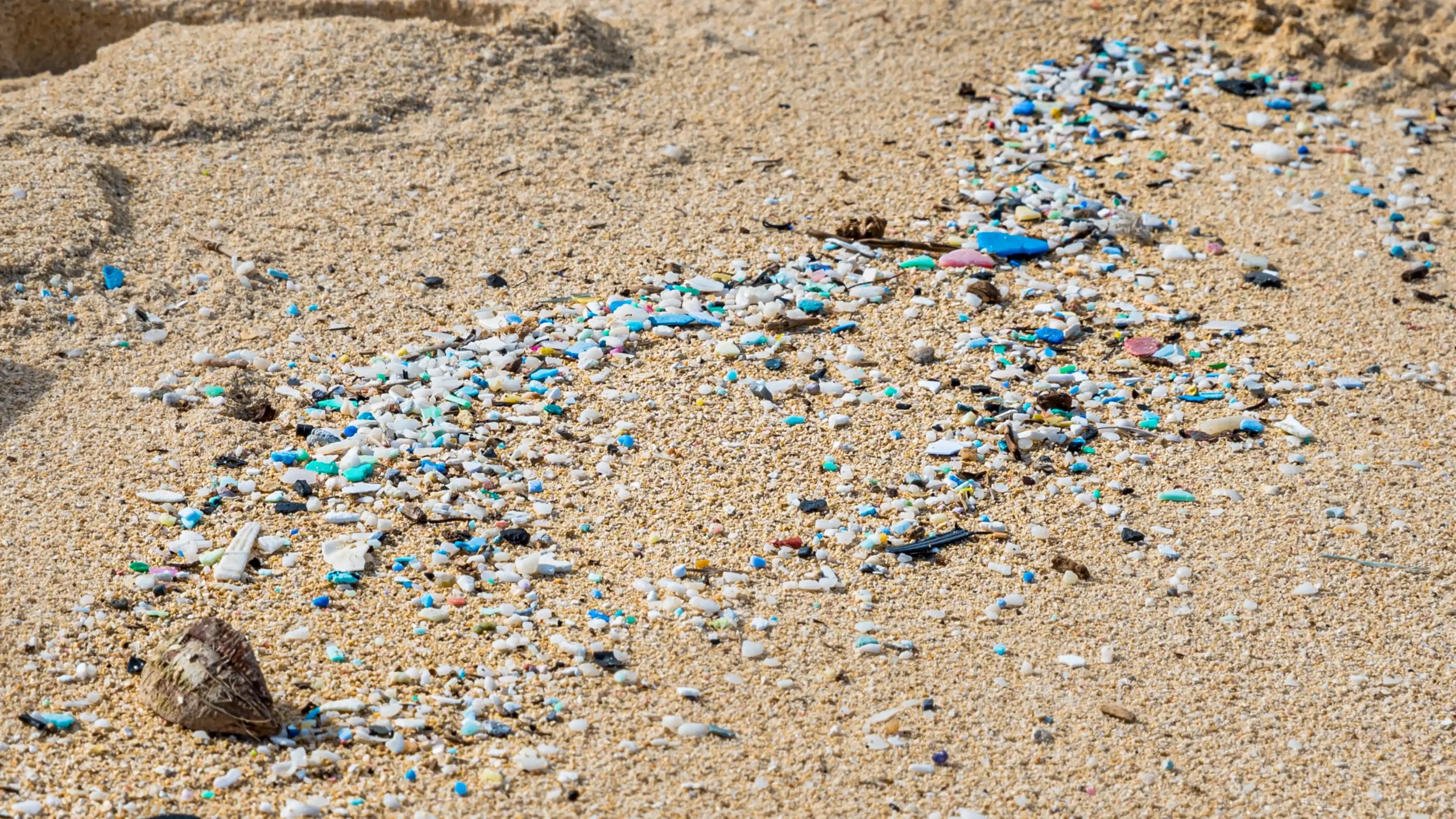
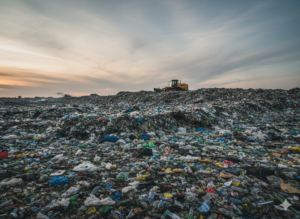
Our oceans are under growing pressure from human activity. Plastic pollution, climate change and habitat loss are reshaping marine ecosystems around the world. Scientists estimate that millions of tonnes of plastic enter the ocean every year, much of it transported through rivers from land-based sourcesยน.

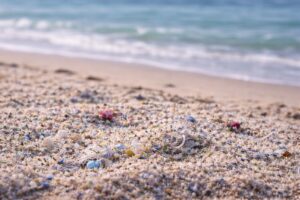
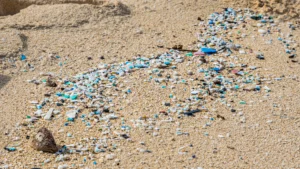
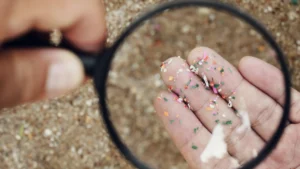
Yet what we see on beaches and coastlines is only part of the problem, many of the most widespread forms of marine pollution are microscopic.

Where Bluewashing Appears in Ocean Sustainability

As public awareness of ocean pollution increases, many industries have begun positioning themselves as part of the solution. This has led to a rise in ocean-themed sustainability campaigns and partnerships.

While many of these initiatives are genuine, bluewashing concerns arise when companies highlight symbolic actions while continuing practices that contribute to marine pollution.

Examples often discussed by environmental researchers include:

Ocean-Themed Branding

Companies frequently use imagery of coral reefs, marine wildlife and coastlines to communicate sustainability messages. Terms such as โ€œocean friendlyโ€ or โ€œprotecting our seasโ€ can create a powerful environmental narrative.

However, these claims do not always reflect the full environmental impact of the product or company.

Ocean Plastic Product Lines

Many brands now promote products made from recycled ocean-bound plastic. Recycling initiatives can play a valuable role, but critics note that these programmes may sometimes distract from the continued production of large volumes of virgin plastic.

Textile Sustainability Claims

Fashion brands increasingly highlight ocean protection initiatives. Yet many garments are still produced from synthetic materials that shed microfibres during washing, creating a direct pathway for microplastic pollution into waterways. It doesn’t matter what the garment is made from necessarily. All fibres have potential harmful chemicals attached to them. No microfibre or chemical pollution belongs in our rivers or sea 

Bluewashing in the Context of ESG

Sustainability discussions have increasingly been framed through ESG, Environmental, Social and Governance criteria.  ESG reporting has become such an important tool for communicating sustainability commitments, it has also created new opportunities for bluewashing.

Companies often highlight initiatives linked to marine protection, plastic reduction or ocean conservation. These may include partnerships with marine charities, participation in global ocean initiatives or commitments aligned with United Nations Sustainable Development Goal 14.

Bluewashing concerns arise when the ESG narrative emphasises ocean protection while the companyโ€™s core activities continue to contribute to marine pollution.

Moving Beyond Bluewashing

As awareness of marine pollution grows, the conversation around sustainability is shifting.

Consumers, investors and regulators are increasingly asking companies to demonstrate real environmental impact, not simply strong environmental messaging.

Meaningful ocean protection requires:

  • Measurable targets, not just messagingย 
  • Third-party verificationย 
  • Supply chain transparencyย 
  • Action at the source of pollutionย 
  • Closing the blind spotsย 
  • Circular systems, not containmentย 
  • Consistency between claims and core operations

Cleaner Seas Group

Cleaner Seas Group is a practical example of moving beyond bluewashing.

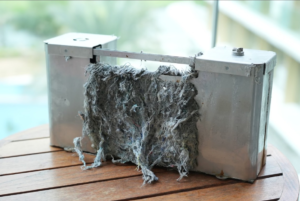
We use filters to capture microfibre pollution at source and put them through our world’s first microfibre recycling centre where the waste is recycled to new raw materials. 

Through its cartridge return and recycle programme, captured fibres are:

  1. Transported to the recycling facility
  2. Removed from cartridges
  3. Recycled and repurposed into new materials

This closed-loop system ensures that microfibres are captured, recovered and recycled, preventing them from entering oceans or landfill. Other filtration technologies capture fibres but do not offer a recycling solution, meaning the microfibre that is captured is unfortunately moved from being a water pollution to a land pollution. 

Cleaner Seas groupโ€™s circular approach addresses the entire lifecycle of microfibres, making it one of the most comprehensive solutions available.  

Protecting the Ocean Requires More Than Promises

Protecting marine ecosystems requires more than just strong environmental messaging. It requires practical solutions that capture pollution at source and use systems that ensure captured pollution is responsibly managed.

As the scale of microplastic pollution becomes clearer, technologies that stop microfibres before they reach rivers and oceans and ensure those fibres are recycled represent one of the most effective ways to protect our waterways.

Real progress happens not through promises about the ocean, but through solutions that prevent pollution from reaching it in the first place.
You may also like

Latest News & Updates

Whalesborough Holiday
News and PressMicroplastics

Sustainable Tourism: The Hidden Cost of Laundry

Sustainability is now firmly on the agenda across hospitality. From reducing single-use plastics to improving...

4 min read
INDIKON Cartridge
News and PressMicroplastics

New research aims to reduce microfibre pollution released from cruise and hotel laundry.

Microfibre pollution from large-scale laundry operations goes under the microscope Microfibre pollution from large-scale laundry...

4 min read
Microfibres vs Microplastics
News and PressMicroplastics

Microfibres vs Microplastic: Whatโ€™s the Difference and Why is this important?ย 

When people think of microplastic pollution, they usually imagine tiny, colourful fragments in confetti form...

6 min read
What Is Microplastic Soup
News and PressMicroplastics

Microplastic Soup: The Crisis We Canโ€™t Always See

When people hear the phrase microplastic soup, they often envision floating islands of bottles and...

9 min read
Microplastic and Real Solutions
News and PressMicroplastics

Shining a Light on Microplastics and Real Solutions

Cleaner Seas Groupยฎ appeared on BBC Oneโ€™s The One Show, helping bring one of the...

3 min read
The End of Plastic Landfill: Why 2026 Will Mark a Regulatory Tipping Point
Microplastics

The End of Plastic Landfill: Why 2026 Will Mark a Regulatory Tipping Point

For years now, plastics have been filling up our landfills. 2026 marks the start of...

4 min read
World-first Microfibre Recycling Centre Launch
Microplastics

The Next Chapter for Cleaner Seas Group: Opening the World-First Microfibre Recycling Centre.

After years of planning, problem-solving and a fair bit of Cornish grit, weโ€™ve finally done...
3 min read
Cleaner Seas, EV Battery
Microplastics

Recycling Microfibres to Power the Clean Battery Future.

At Cleaner Seas Group, weโ€™ve always believed that tackling ocean pollution and advancing clean technology...

4 min read
Microplastics Underwater In Ocean
Microplastics

What Are Microplastics and Why Are They a Threat to Our Oceans?

Microplastics have become one of the most significant environmental challenges of our time. These tiny...

4 min read
Microfibre Recycling Blue
Microplastics

What Are Microfibres and How Do They Impact the Environment?

Microfibres are one of the most common yet overlooked contributors to environmental pollution. These tiny...

3 min read
Microplastics On The Beach (1)
LegislationMicroplastics

The WI and APPG Leading the Charge

Microplastic pollution is one of the most pressing environmental challenges of our time. The Womenโ€™s...

4 min read
Magnify Microplastics Beach
Microplastics

The Hidden Problem: Industrial Microfibres and Microplastics

The problem of microfibres and microplastics in our waterways has long been linked to domestic...

5 min read
Microplastics In Your Drink
Microplastics

Tackling Microfibre Pollution: Solutions for Cleaner Waterways

Microfibre pollution is a growing environmental issue, with billions of microscopic plastic fibres entering our...

4 min read
Microplastics On A Spoon
Microplastics

Natural Fibres are not necessarily the answer to microplastic Polution

Microplastics, particularly microfibres shed from textiles during washing, have emerged as a significant environmental concern....

2 min read
Microplastics On A Finger
Microplastics

Microplastics in the laundry

Microplastics are an invisible menace infiltrating our oceans, ecosystems, and even our food chains. Among...

4 min read
Microplastics In The Ocean
Microplastics

The Silent Threat: Microplastics and Their Devastating Impact on Marine Life

Microplastics have become an insidious pollutant in our oceans, threatening marine life and the health...

4 min read
Microplastics In Petridish
Microplastics

How to Wash Your Clothes and Be Kind to the Planet: Top 5 Tips

Washing your clothes might seem like a simple everyday task, but did you know it...

4 min read
Microplastics In A Jar
MicroplasticsLegislation

Are Waste water Treatment Plants Not Filtering Microfibres?โ€“NO!

Microfibres, those minuscule fibres shed from synthetic textiles during washing, are an invisible but pervasive...

5 min read
Green Plastic On Stoney Beach
News and Press

Plastic Pollution in Our Oceans, Our Beaches and Waterways

Plastic pollution is in our water systems, the air we breath, in our soil, in...

3 min read
Brian Yurasits
Industry News

Marine-i and Plymouth University Support Research and Development of Indikon-1

Cleaner Seas Group was set up in Cornwall in Autumn 2018 with a mission to...

2 min read
Two Filters
Industry News

Is Your Wash Polluting the Ocean?

What are microfibres?ย  Microfibres are a type of microplastic; tiny plastic fibres 5mm or less (Less than the...

2 min read
Coldplay Logo
News and Press

Coldplay Support Cleaner Seas Group

The Cleaner Seas Team always dream big in our quest to protect our Ocean and...

1 min read
Washing Machine
News and Press

Cleaner Seas Microfibre Filter for Washing Machines – Indikon-1

You probably know by now, that your washing machine releases up to 700,000 Microplastic fibres...

1 min read
Sea Grass
News and Press

Joining Forces to Save Our Seas

We work to give back to the Sea every day, 100%, but none of us...

1 min read
Microsplastics Microscopic
Industry News

Case Study by Plymouth University – Cleaner Seas Group

Innovative technology to remove microplastics from the environment Cleaner Seas Group was set up in...

6 min read
Microplastics Microfibre Recycling
Microplastics

Cleaner Seas Group Launches Groundbreaking Microplastic Recycling Centre with UK Shared Prosperity Fund Support

The Cleaner Seas Group is developing a world-first Microfibre Recycling Centre in Bude, Cornwall. This...

1 min read
Frame 190
News and Press

Tui Blog Post 2

Since 2017 Cleaner Seas have worked at grassroots level in raising awareness about microplastics in...

1 min read
Image
News and Press

Tui Blog Post 1

Monty Halls is a broadcaster, speaker, naturalist, former Royal Marine, marine biologist, travel writer and...

1 min read
Image
Industry News

Microplastics Bill Introduced in the House of Commons

The 30th November 2021 saw another big step forward in the fight against microplastic pollution....

1 min read
Image
Microplastics

Award Recognition for Cleaner Seas Tech

Since 2017 Cleaner Seas have worked at grassroots level in raising awareness about microplastics in...

2 min read
Image
News and Press

Generation Sea Change: An Interview with Explorer Monty Halls.

Monty Halls is a broadcaster, speaker, naturalist, former Royal Marine, marine biologist, travel writer and...

5 min read

Want to Join our Crew of Sea Savers?

Get monthly ocean news, offers, events and updates on our mission.

By clicking subscribe, you agree to our Terms and Conditions.

Signup To Cleanerseas Mailing List